
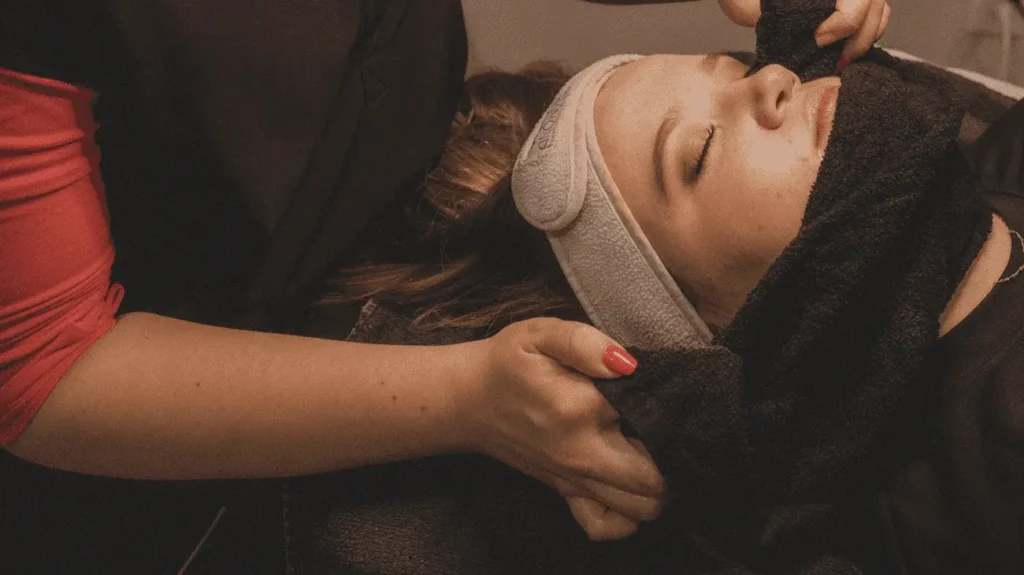
Choosing between a chemical peel and microneedling can feel confusing, especially when both treatments are designed to improve skin texture, tone, and overall appearance. While they may seem similar at a glance, each works in a different way and is suited for different types of skin concerns. Understanding how these treatments compare can help you make a more informed decision based on your goals.
At Glow Medical Aesthetics in Tulsa, OK, both chemical peels and microneedling are incorporated into personalized treatment plans that focus on long-term skin health and visible, gradual improvement. By evaluating your skin type, concerns, and lifestyle, providers can recommend the option that best supports smoother, clearer, and more balanced skin over time.
What’s the Difference Between Microneedling and Chemical Peels?
Microneedling and chemical peels are both effective treatments for improving skin quality, but they work in fundamentally different ways. Microneedling focuses on stimulating the skin from within by triggering collagen production, while chemical peels work on the surface by exfoliating and renewing the outer layers of the skin. Because of these differences, each treatment is better suited for specific concerns and desired outcomes.
At Glow Medical Aesthetics, both options are used as part of a personalized approach to skin rejuvenation. Treatment recommendations are based on how your skin responds, allowing for a more targeted plan that supports both immediate improvement and long-term results.
How Microneedling Stimulates Collagen Production
Microneedling works by creating controlled micro-injuries in the skin using fine needles. These tiny channels trigger the body’s natural healing response, which includes increased production of collagen and elastin. Over time, this process helps strengthen the skin’s structure, improving firmness, texture, and the appearance of fine lines or acne scars.
Because collagen production continues after treatment, results develop gradually rather than immediately. This makes microneedling a strong option for patients looking to improve deeper skin concerns and support long-term skin health.
How Chemical Peels Improve Skin Through Exfoliation
Chemical peels use a specialized solution to exfoliate the outermost layers of the skin, encouraging the removal of damaged or dull skin cells. As the skin sheds and renews itself, new, healthier skin emerges with improved tone and clarity.
This process is particularly effective for concerns such as uneven pigmentation, sun damage, and dullness. By accelerating cellular turnover, chemical peels help create a brighter, more even complexion while supporting smoother surface texture.
Benefits of Each Treatment
Both microneedling and chemical peels offer distinct advantages depending on your skin concerns and goals. While one focuses on deeper structural improvement and collagen stimulation, the other enhances surface-level clarity and brightness. Understanding these benefits can help guide your decision and ensure your treatment aligns with the results you’re looking to achieve.
At Glow Medical Aesthetics, both treatments are strategically incorporated into personalized plans. This approach allows patients to target specific concerns while also supporting overall skin health and long-term improvement.
Microneedling Benefits for Texture, Scarring, and Collagen
Microneedling is especially beneficial for improving skin texture and addressing concerns that originate beneath the surface. By stimulating collagen production, it helps reduce the appearance of acne scars, fine lines, and enlarged pores while supporting firmer, more resilient skin over time.
As collagen levels increase, the skin becomes smoother and more evenly structured. This makes microneedling a strong option for patients looking to improve long-term skin quality rather than just surface appearance.
Chemical Peel Benefits for Tone, Clarity, and Brightening
Chemical peels are well-suited for improving skin tone and enhancing overall clarity. By exfoliating the outer layers of the skin, they help reduce the appearance of discoloration, sun damage, and uneven pigmentation while promoting a brighter complexion.
This process also supports smoother skin by encouraging consistent cell turnover. For patients focused on achieving a more radiant, even-toned appearance, chemical peels provide a reliable option with noticeable results after each treatment.
Recovery Time and What to Expect After Treatment
Recovery time is an important factor when choosing between microneedling and chemical peels, as each treatment affects the skin differently. While both are designed to improve skin quality, the healing process varies in terms of intensity, duration, and visible effects. Understanding what to expect can help you plan your schedule and feel more confident going into treatment.
At Glow Medical Aesthetics, patients are guided through each stage of recovery with personalized aftercare instructions. You can also explore real patient outcomes by visiting the before-and-after gallery, which helps set expectations for how results develop over time.
Microneedling Recovery Time and Healing Process
Microneedling typically involves minimal downtime, making it a convenient option for many patients. In the first 24 to 48 hours, the skin may appear red and feel slightly sensitive, similar to a mild sunburn. This is a normal response as the skin begins its repair process.
Over the next few days, redness gradually fades, and the skin may feel dry or slightly rough as new cells begin to surface. Most patients return to normal activities quickly, while deeper improvements in texture and firmness continue to develop over the following weeks.
Chemical Peel Recovery Time and Peeling Stages
Chemical peel recovery can vary depending on the depth of the peel used. Lighter peels may involve minimal flaking, while deeper peels can result in more noticeable peeling over several days. This peeling process is part of how the treatment removes damaged outer layers of skin.
During the recovery period, the skin may feel tight, dry, or sensitive as it renews itself. As peeling subsides, patients typically notice brighter, smoother skin with improved tone and clarity. Proper aftercare is important during this phase to support healing and protect the skin as new layers emerge.
Which Treatment Is Better for Your Skin Concerns?
Choosing between microneedling and chemical peels depends on the specific concerns you’re looking to address and how your skin responds to treatment. While both options support overall skin improvement, they target different layers and processes within the skin. A more personalized approach helps ensure that your treatment aligns with both your current concerns and long-term goals.
At Glow Medical Aesthetics, treatment recommendations are based on a detailed evaluation of your skin type, history, and desired outcome. This allows for a more targeted plan that supports consistent, natural-looking improvement over time.
Choosing Treatment Based on Skin Texture, Acne Scars, and Fine Lines
Microneedling is often recommended for concerns related to skin texture, acne scarring, and fine lines because it works beneath the surface to stimulate collagen production. By strengthening the skin’s structure, it helps improve smoothness and reduce the appearance of deeper imperfections over time.
Chemical peels, on the other hand, are typically better suited for surface-level concerns such as uneven tone, pigmentation, and dullness. By exfoliating the outer layer of skin, they help reveal a brighter, more even complexion while supporting ongoing skin renewal.
When Chemical Peels or Microneedling May Be More Effective
Microneedling may be more effective for patients looking to address deeper concerns or improve overall skin resilience. It is often used when long-term collagen stimulation is the primary goal, especially for scarring or early signs of aging.
Chemical peels may be the better option for patients focused on improving clarity, brightness, and surface texture. In some cases, combining both treatments as part of a structured plan can provide more comprehensive results, addressing both surface and deeper skin concerns over time.
Popular Options Like SkinPen® Microneedling and VI Chemical Peel
When comparing microneedling and chemical peels, it’s helpful to look at specific treatment options that are commonly used to achieve consistent, results-driven outcomes. SkinPen® microneedling and the VI Chemical Peel are two widely recognized treatments that represent each category, offering targeted benefits depending on your skin concerns.
Both options are designed to improve overall skin quality, but they approach rejuvenation in different ways. Understanding what makes each one unique can help you determine which aligns best with your goals.
What Makes SkinPen® Microneedling Unique
SkinPen® microneedling is a precision-based treatment that uses controlled micro-injuries to stimulate collagen and elastin production. As the skin repairs itself, it becomes stronger, smoother, and more even in texture over time.
What sets SkinPen® apart is its consistency and controlled depth, which allow for more predictable results across different skin types. It is often used to improve acne scars, fine lines, and overall skin texture while supporting long-term skin health through collagen stimulation.
How the VI Chemical Peel Targets Specific Concerns
The VI Chemical Peel is a medical-grade peel formulated to target concerns such as hyperpigmentation, sun damage, acne, and uneven skin tone. By using a blend of active ingredients, it penetrates the outer layers of the skin to promote exfoliation and renewal.
As the skin goes through the peeling process, damaged cells are removed and replaced with healthier skin. This helps improve clarity, brightness, and overall tone, making it a strong option for patients looking to refresh and even out their complexion.
Choosing the Right Treatment for Your Skin Goals
Selecting the right treatment comes down to understanding what your skin needs both now and over time. Factors like texture, tone, sensitivity, and long-term goals all play a role in determining whether microneedling, a chemical peel, or a combination of both will be most effective. A personalized approach helps ensure that each treatment supports not only visible improvement but also overall skin health.
Because these treatments work in different ways, having a structured plan allows results to build more consistently. This approach helps align your treatment with how your skin responds, creating a path toward smoother, clearer, and more balanced skin.
Why Choose Glow Medical Aesthetics for Chemical Peels and Microneedling in Tulsa, OK
At Glow Medical Aesthetics in Tulsa, OK, both chemical peels and microneedling are offered as part of a personalized, wellness-focused approach to skincare. Each treatment plan is developed based on your unique skin concerns, goals, and how your skin responds over time, allowing for more consistent and natural-looking results.
The team focuses on guiding patients through each step of the process, from initial consultation to aftercare and maintenance. This level of support helps ensure that treatments feel manageable while continuing to deliver gradual, long-term improvement.
Get Personalized Recommendations for Smoother, Healthier Skin
If you’re unsure which treatment is right for your skin, a consultation is the best place to start. This allows your provider to evaluate your concerns, explain your options, and recommend a plan tailored to your needs.Visit Glow Medical Aesthetics at 6207 E 61st Street, Tulsa, OK 74136, call (918) 927-2618, or reach out through the online contact page to schedule your consultation and take the next step toward healthier, more confident skin.